

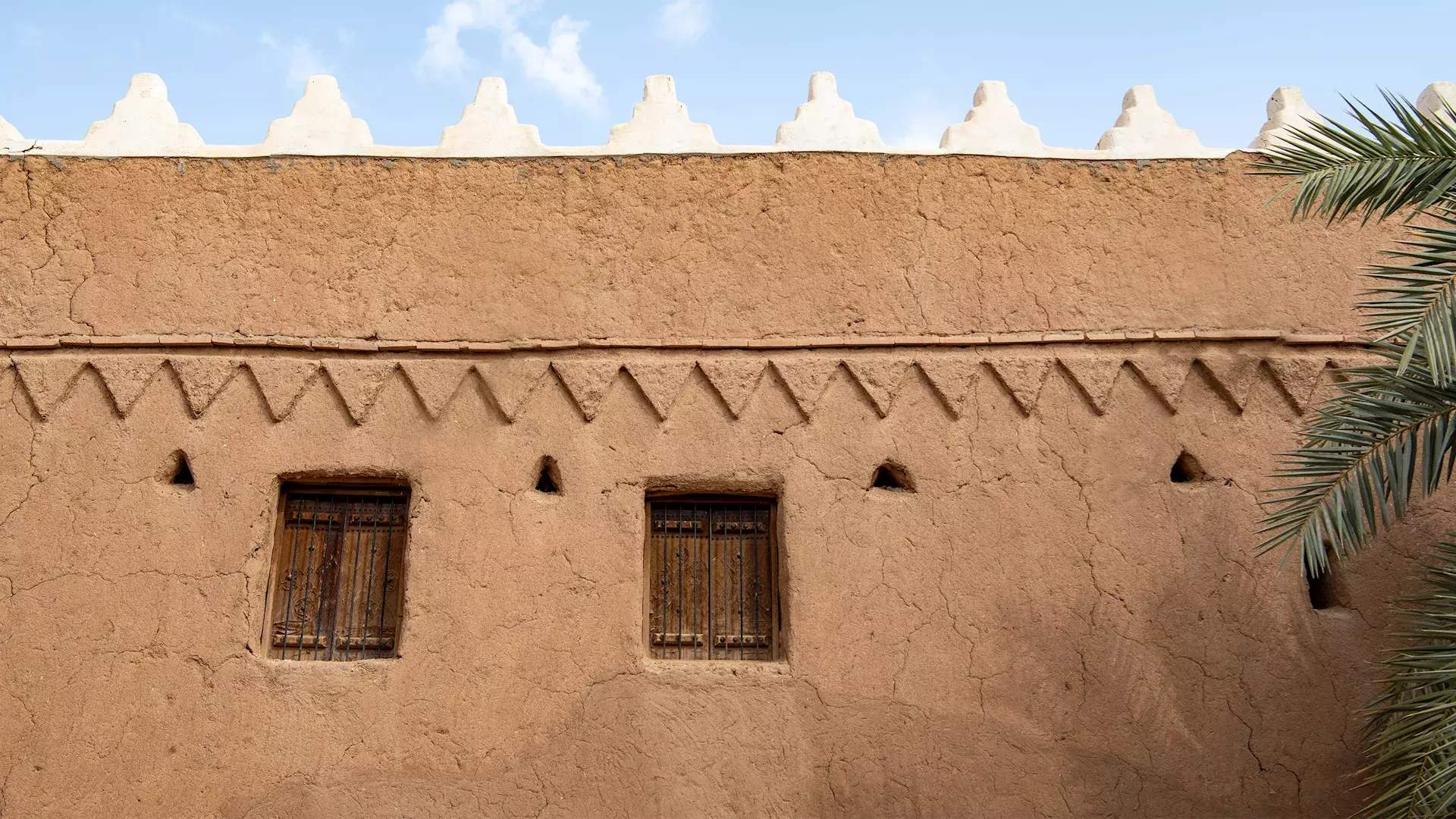
The roots of the Al-Bawardi family trace back to the city of Shaqra in the Al-Washm region, located approximately 185 kilometers northwest of Riyadh.
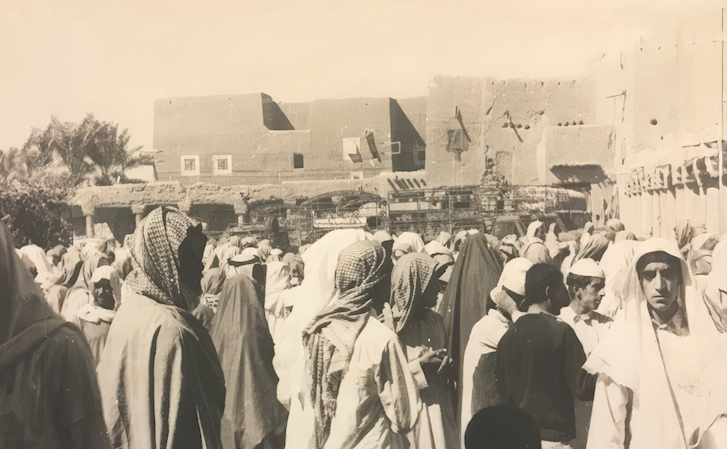
Sheikh Saad bin Ibrahim Albawardi owned a house, palm trees, and camels; owning these three elements at that time was considered a sign of wealth. He was a smart and skilled trader, trading in dates and grains from the farmers in Shaqra and selling them in the villages of Al-Washm and its surroundings. He instilled in his children a love for trade, discipline, honesty, decisiveness in matters, and the honor of one's word.

In the 1930s, Sheikh Saad's sons, Abdul Aziz and Mohammed, began trading ventures that shaped their future. Their 20-day journeys between Shaqra, Al-Ahsa, and Mecca by camel or on foot built resilience and sharpened entrepreneurial skills. Over time, they mastered the desert's challenges and expanded their expertise. They traded ghee, livestock, fabrics, and carpets. After Abdul Aziz's death, Mohammed partnered with his brother Abdul Rahman, launching their joint venture and marking the start of Albawardi Group.
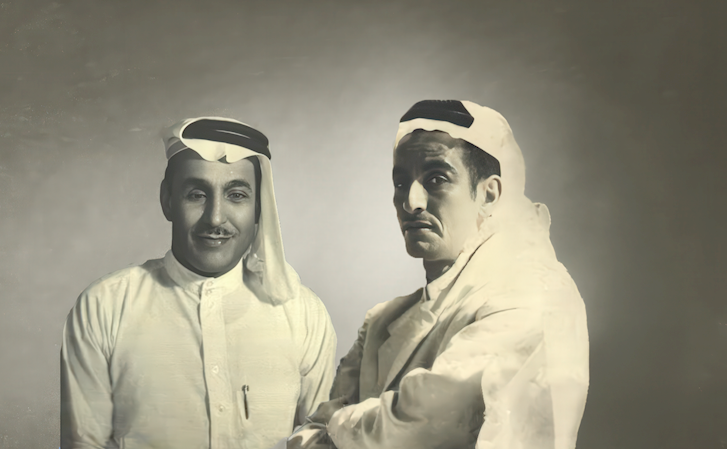
In the 1940s, the activities expanded into construction materials, starting with cement imports from Iraq. During the same period, they entered public transport by launching a transportation company but soon shifted focus due to rugged terrain and low passenger demand. In the 1950s, the company began importing steel from India and timber from Romania and Austria. This era saw the founding of Mohammed and Abdul Rahman Al-Saad Al-Bawardi Company, officially registered in 1957.
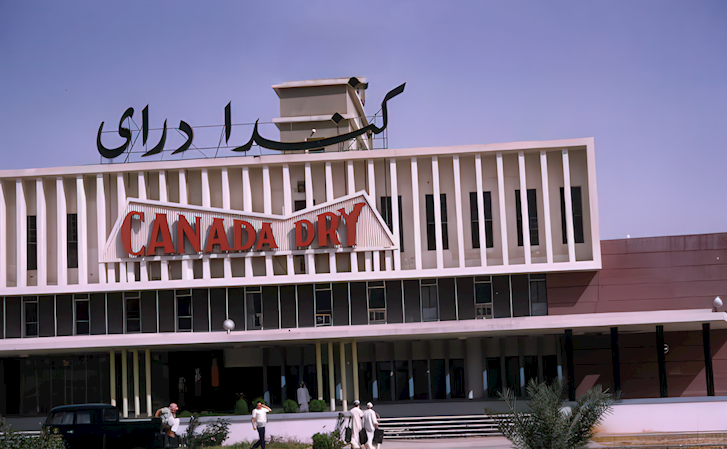
In the late 1950s, the company partnered with a group of merchants to establish and create the Canada Dry Beverage Factory in Riyadh, which was founded in 1958. This move marked the company's diversification into various investment activities.
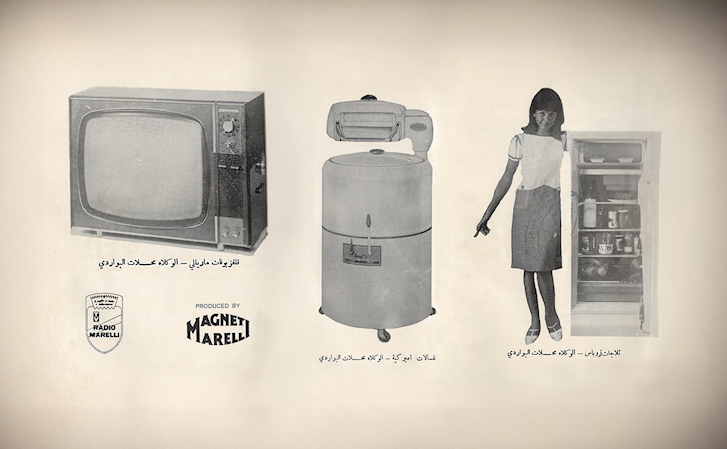
In the 1960s, the company ventured into a new sector: trading various home electrical appliances such as televisions, washing machines, refrigerators, air conditioners, and more. They imported these products from Italy and were the official distributors for several brands, including Zoppas, Marelli, Siltal, and Antar.
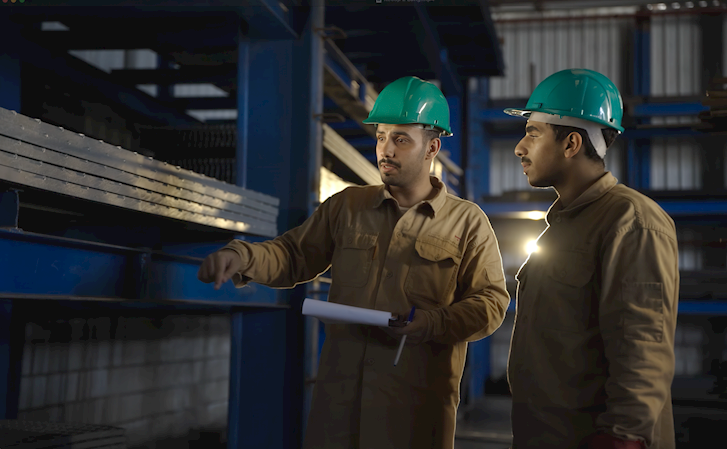
In the early 1970s, the company expanded its activities in the construction materials trade. Initially dealing with only three types of products—reinforcement steel, cement, and timber—the company grew its inventory to over 1,200 different items, encompassing all sectors of construction materials.
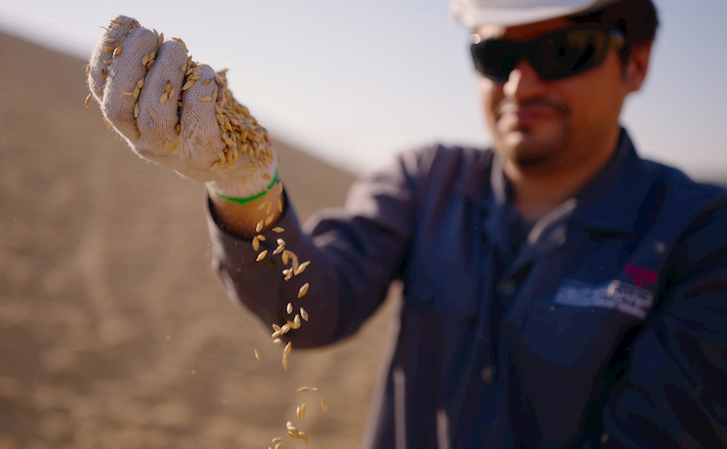
In the early 1980s, the second generation joined the group, leading to the expansion of the company's activities. New companies were established for trading tools and hardware, conducting marine surveys, damage assessments, grain terminal, and materials processing.
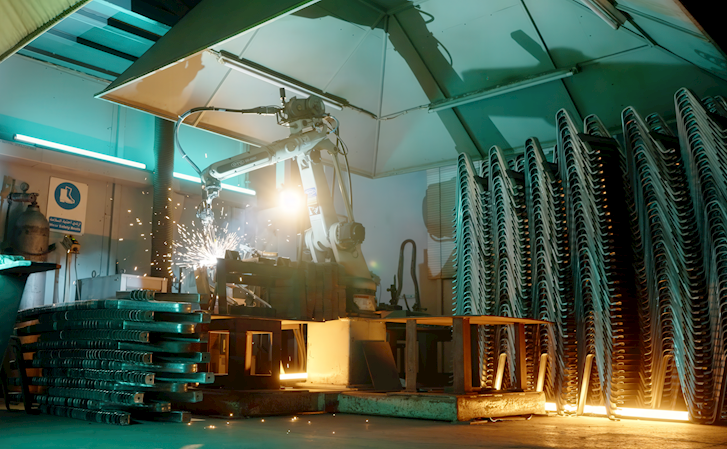
In the 1990s, the company began investing more in industrial ventures, establishing factories for steel, woodwork, metal casting, and precast concrete. Additionally, they expanded into the food and supply sector.
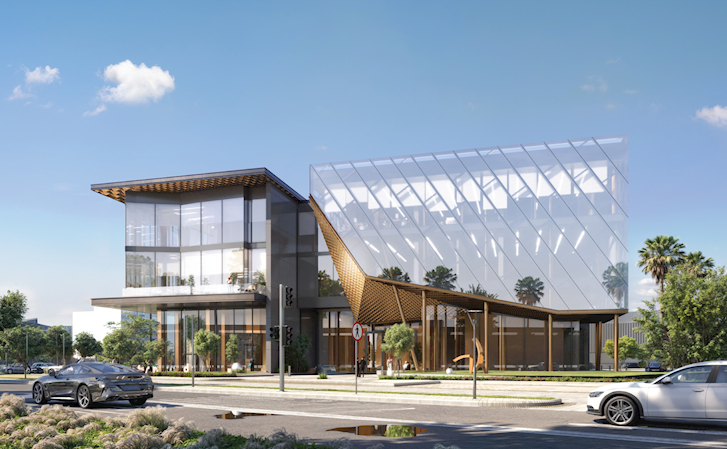
At the beginning of the 21st century, the company expanded its investments by establishing numerous local and international companies. These ventures spanned various activities, including logistics, transportation, education, medical services, real estate investments, housing and retail stores construction, coffee trading, setting up bonded zones and re-export areas in seaports and airports, and building engineering and steel construction.
This era of expansion is not only a testament to the company’s growth but also a reflection of its enduring commitment to excellence and adaptability. Guided by a legacy of integrity, collaboration, and transparency, the company continues to achieve and aspire, forging paths of success that are illuminated by its core values.